A Homeowner’s Guide to Choosing a Durable Fence That Handles Wisconsin’s Changing Seasons
Choosing a new fence involves more than deciding how tall it should be or what color looks best around your yard. The material you select can affect how long your fence lasts, how much maintenance it needs, and how well it holds up through years of changing weather.
For homeowners in Franklin, Wisconsin, weather is an important part of the decision. Fences experience freezing winter temperatures, snow, spring moisture, summer heat, and occasional strong winds. These seasonal changes can gradually affect fencing materials, especially when they are not installed or maintained properly.
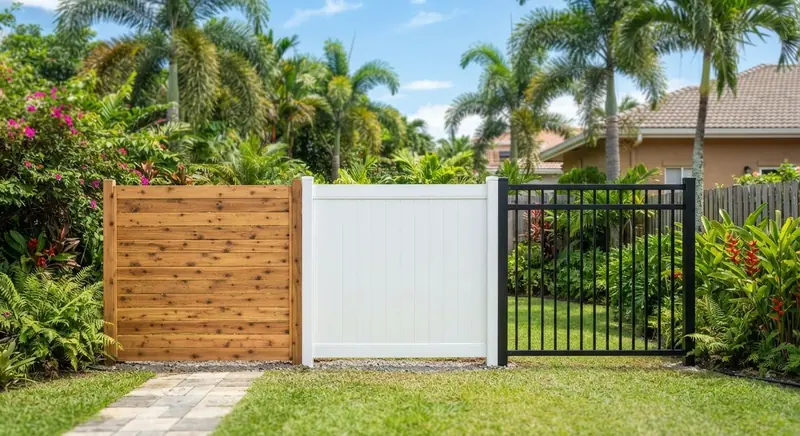
Wood, vinyl, and aluminum are three popular fencing options, but each has different strengths. Some offer a traditional appearance, while others are valued for their lower maintenance requirements or resistance to moisture.
So, which material is the right choice for your property? Let's look at how each option performs and what homeowners should consider before making a decision.
1. Wood Fencing: Traditional Appearance and Natural Character
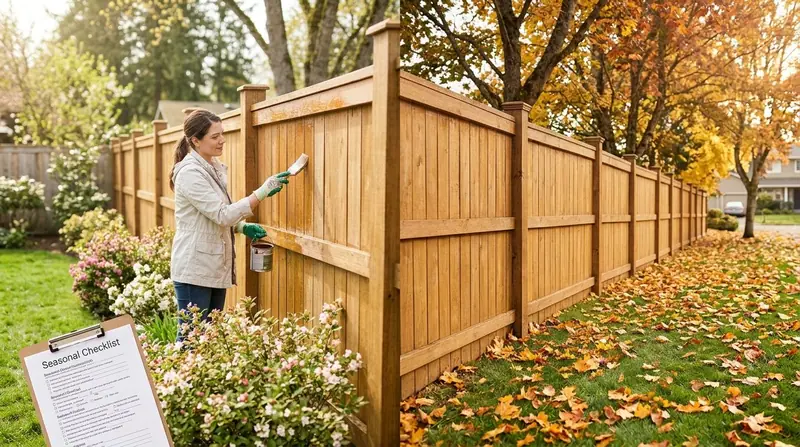
Wood fencing remains a popular choice because of its classic appearance and flexibility. It works well with many home styles and can provide privacy, security, and a natural look.
Homeowners can choose from different wood types, designs, heights, and finishes to create a fence that complements their property.
How Wood Handles Wisconsin Weather
Wood can perform well in Wisconsin when the right material is selected and the fence receives proper care. However, changing temperatures and moisture can affect its condition over time.
Rain, melting snow, and ground moisture can contribute to swelling, shrinking, warping, and eventual deterioration. Repeated exposure to moisture may also encourage rot, particularly around fence posts and areas close to the ground.
Protective staining or sealing can help reduce moisture exposure and maintain the wood's appearance.
Advantages of Wood Fencing:
- Offers a natural and traditional appearance.
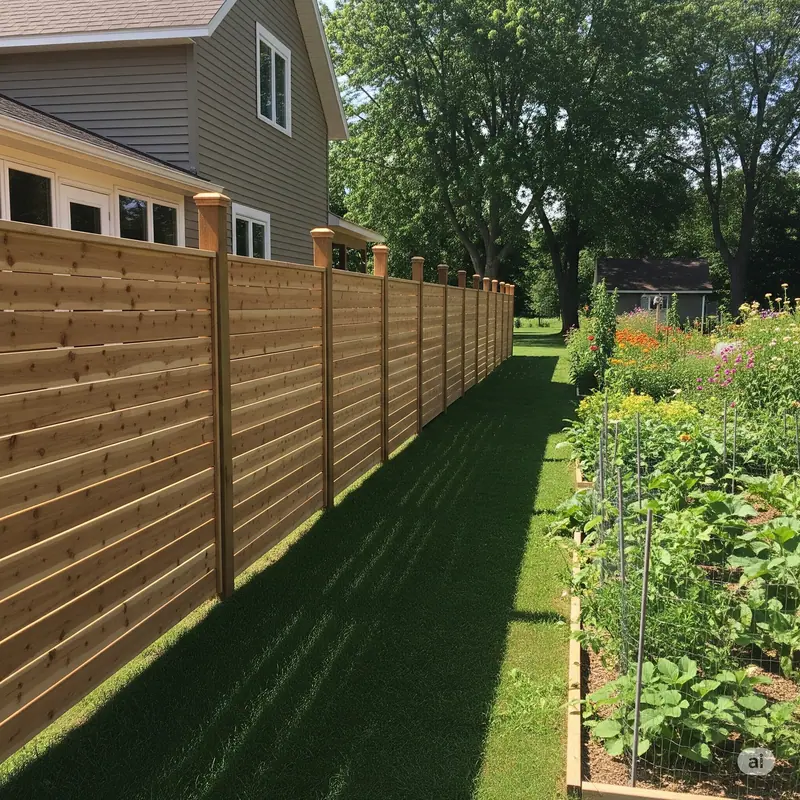
- Provides excellent privacy when installed with solid panels.
- Can be customized with different styles and finishes.
- Can be painted or stained to match your home's exterior.
- Offers several wood types and design options.
Things to Consider:
- Requires periodic staining, sealing, or painting.
- Can warp, crack, or deteriorate with prolonged moisture exposure.
- May require repairs or replacement of damaged boards.
- Needs regular inspections, especially after winter.
Wood fencing is a good option for homeowners who appreciate its natural appearance and are comfortable with routine maintenance.
2. Vinyl Fencing: A Low-Maintenance Option
Vinyl fencing has become increasingly popular among homeowners who want an attractive fence without the ongoing upkeep associated with wood.
Made from durable synthetic material, vinyl does not absorb moisture in the same way as wood. It also does not require regular painting or staining.
How Vinyl Handles Wisconsin Weather
Vinyl can be a practical choice for properties exposed to rain, snow, and seasonal moisture. It will not rot or attract insects like untreated wood can.
However, Wisconsin's temperature changes are still worth considering. Vinyl can become more brittle in very cold conditions, and lower-quality products may be more vulnerable to cracking or damage from impact.
Proper installation, quality materials, and secure posts are important for long-term performance.
Advantages of Vinyl Fencing:
- Does not rot or rust.
- Requires relatively little maintenance.
- Does not need regular painting or staining.
- Can be cleaned with water and appropriate cleaning products.
- Available in privacy, picket, and decorative styles.
Things to Consider:
- Quality and thickness vary between products.
- Can crack under certain impacts, especially in cold weather.
- May have a higher initial cost than some basic wood options.
- Damaged sections may require replacement with matching components.
Vinyl fencing is worth considering if you want a clean, consistent appearance and prefer to spend less time on regular fence maintenance.
3. Aluminum Fencing: Strength and a Clean, Open Design
Aluminum fencing is often selected for its combination of durability, appearance, and relatively low maintenance.
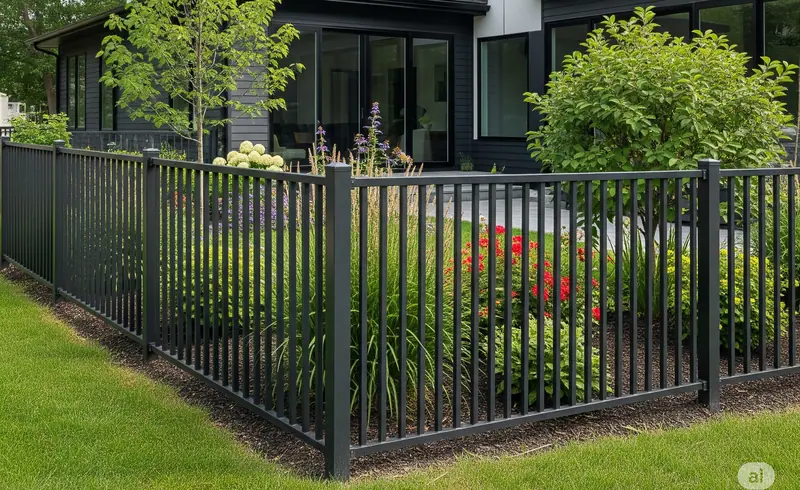
Unlike solid privacy fencing, aluminum designs usually feature open pickets. This makes them suitable for homeowners who want to define property boundaries without completely blocking the view.
Aluminum fences are commonly used around front yards, gardens, pools, and outdoor living areas.
How Aluminum Handles Wisconsin Weather
One of aluminum's biggest advantages is its resistance to rust. Many aluminum fencing products have protective finishes that help them withstand moisture and outdoor exposure.
This makes aluminum a practical option for areas that experience rain, snow, and changing temperatures.
However, aluminum is not indestructible. Strong impacts, loose posts, and damage to protective coatings can affect its condition. Proper installation and occasional inspections remain important.
Advantages of Aluminum Fencing:
- Naturally resistant to rust.
- Requires relatively little maintenance.
- Offers a clean and attractive appearance.
- Works well for decorative and boundary fencing.
- Allows visibility and airflow through the yard.
- Available in different heights and styles.
Things to Consider:
- Provides limited privacy compared with solid wood or vinyl panels.
- May cost more than basic fencing options.
- Can bend if struck with significant force.
- Is not the best choice when complete visual screening is required.
Aluminum is a strong option for homeowners who want a decorative, open-style fence with minimal routine maintenance.
4. Wood vs. Vinyl vs. Aluminum: Which Is Best for Franklin Homes?
Each material offers different benefits, so the best choice depends on your property's layout, budget, appearance preferences, and maintenance expectations.
Here is a quick comparison:
| Feature | Wood | Vinyl | Aluminum |
|---|---|---|---|
| Privacy | Excellent with solid panels | Excellent with privacy panels | Limited |
| Maintenance | Moderate to high | Low | Low |
| Moisture resistance | Requires protection | Excellent | Excellent |
| Rust resistance | Not applicable | Excellent | Excellent |
| Appearance | Natural and traditional | Clean and consistent | Decorative and modern |
| Customization | High | Moderate to high | Moderate |
| Best use | Privacy and traditional yards | Low-maintenance privacy | Decorative boundaries |
There is no single material that is perfect for every property. A wood fence may be ideal for a private backyard, while vinyl may appeal to homeowners who want privacy without frequent staining. Aluminum may be better suited for decorative boundaries or areas where visibility is important.
5. Important Factors to Consider Before Installing a Fence
Before choosing a fencing material, take time to evaluate how you plan to use your outdoor space.
Your Privacy Needs
If you want to enjoy your backyard without being visible to neighbors, solid wood or vinyl panels may be the better options.
If you prefer an open view while still marking your property boundary, aluminum fencing may be more suitable.
Your Maintenance Preferences
Think about how much time and effort you are willing to spend maintaining your fence.
Wood generally requires more attention over the years, while vinyl and aluminum usually need less routine maintenance.
Your Budget
The initial installation price is only one part of the total cost. Consider future maintenance, repairs, replacement parts, and the expected lifespan of the material.
A less expensive fence may require more upkeep, while a higher initial investment may offer lower maintenance costs over time.
Your Property's Layout
Sloped yards, uneven ground, landscaping, gates, and existing structures can influence which fence design works best.
A professional assessment can help determine the right installation approach for your property.
Local Requirements
Before installing a fence, check applicable Franklin and Milwaukee County requirements, including property boundaries, permits, height restrictions, and any neighborhood or homeowners association rules that may apply.
6. Why Professional Fence Installation Matters
Even a high-quality fencing material can experience problems when it is not installed correctly.
Fence posts need proper placement and support to help maintain stability. Panel spacing, alignment, gate installation, and ground conditions also affect the finished result.
In Wisconsin, installation planning should account for seasonal ground conditions and the effects of freezing and thawing.
Working with an experienced fence professional can help you:
- Choose a suitable material for your property.
- Plan the fence layout and placement.
- Select an appropriate fence style and height.
- Install posts and panels correctly.
- Identify potential drainage or uneven-ground concerns.
- Create a fence that complements your home.
Professional installation helps reduce avoidable problems and gives homeowners greater confidence in their investment.
Choose the Right Fence for Your Franklin Property
Wood, vinyl, and aluminum can all be excellent fencing options, but the right choice depends on what matters most to you. Consider your privacy needs, preferred appearance, maintenance expectations, and budget before making a decision.
For Franklin homeowners, choosing a fence that can handle Wisconsin's changing seasons is an important part of protecting your investment.
Franklin Fence can help homeowners explore fencing options that suit their properties, outdoor spaces, and individual preferences. Whether you are considering wood privacy fencing, low-maintenance vinyl, or decorative aluminum fencing, choosing the right design and installation approach can make a difference in the long-term performance of your fence.
Ready to plan your new fence? Contact Franklin Fence today to discuss your project and find a fencing solution that works for your home.