Simple ways to prepare your fence for Wisconsin's changing seasons, prevent avoidable damage, and keep your outdoor space looking its best.
A fence does more than mark the boundaries of your property. It provides privacy, adds security, and contributes to your home's overall appearance. However, outdoor fences are exposed to changing weather throughout the year. In Wisconsin, freezing temperatures, snow, rain, humidity, and seasonal temperature changes can gradually affect the condition of fencing materials.
The good news is that a little maintenance in the spring and fall can help you catch small problems before they become expensive repairs. Whether you have a wood, vinyl, aluminum, or chain-link fence, regular inspections can help extend its useful life and keep it looking presentable.
Here is a practical seasonal fence maintenance checklist for Franklin homeowners.
Why Spring and Fall Are Important for Fence Maintenance
Spring and fall are ideal times to inspect your fence because they fall between Wisconsin's major weather changes.
Spring is the time to check for damage caused by winter conditions. Snow accumulation, freezing and thawing ground, and moisture can affect fence posts, panels, gates, and hardware.
Fall is your opportunity to prepare your fence for colder weather. Addressing loose components, cleaning surfaces, and checking the stability of posts before winter arrives can help reduce the risk of further damage.
Spring Fence Maintenance Checklist
After winter, take a walk around your property and inspect the entire fence. Look for signs of damage that may have developed during the colder months.
1. Check for Loose or Leaning Fence Posts
Fence posts provide the support that keeps your fence standing straight. Changes in soil conditions caused by freezing and thawing can sometimes loosen posts or affect their alignment.
Look for:
- Posts that lean or move when gently checked
- Gaps around the base of posts
- Cracked or damaged concrete footings
- Fence sections that appear uneven
A loose post may seem like a minor issue, but ignoring it can put additional stress on nearby panels and connections.
2. Inspect Fence Panels and Rails
Check each section for cracks, loose boards, broken rails, or damaged connections.
For wood fences, look for splitting, rot, and loose nails or screws. Vinyl fences should be checked for cracks, loose panels, and damaged connectors. Aluminum fences should be inspected for bent pickets, loose fasteners, and damaged sections.
Repairing smaller problems early can help prevent more extensive damage.
3. Clean Dirt, Debris, and Winter Residue
Winter weather can leave dirt, mud, salt residue, and debris on fence surfaces.
Use a cleaning method suitable for your fence material. A garden hose and mild soap may be enough for routine cleaning. For tougher buildup, follow the manufacturer's cleaning recommendations.
Avoid using excessive pressure or harsh chemicals that could damage the finish or surface.
4. Check Gates and Hardware
Gates are used frequently and can develop problems over time.
Inspect hinges, latches, screws, and other hardware. Make sure the gate opens and closes properly without dragging against the ground.
Tighten loose hardware where appropriate and replace damaged components when necessary.
5. Look for Signs of Moisture Damage
Wood fences are especially vulnerable to prolonged moisture exposure. Check the lower portions of boards and posts for soft spots, discoloration, or signs of rot.
If the wood finish is worn or the surface is no longer adequately protected, consider whether cleaning, staining, or sealing is needed.
Fall Fence Maintenance Checklist
Fall is the right time to prepare your fence for another Wisconsin winter. Before freezing temperatures arrive, pay attention to these important areas.
1. Remove Leaves and Vegetation
Leaves, grass, vines, and other organic material can collect along the bottom of your fence.
When damp leaves remain against wood for extended periods, they can contribute to moisture retention and deterioration.
Trim nearby vegetation and clear debris from the fence line. This also makes it easier to inspect the bottom of panels and posts.
2. Inspect the Fence Foundation and Posts
Check whether the posts remain straight and stable. Look for loose soil, gaps, or visible movement around the base.
If you notice a leaning section or unstable post, consider having it assessed before winter. Frozen ground can make repairs more difficult once temperatures drop.
3. Protect Wood Fences
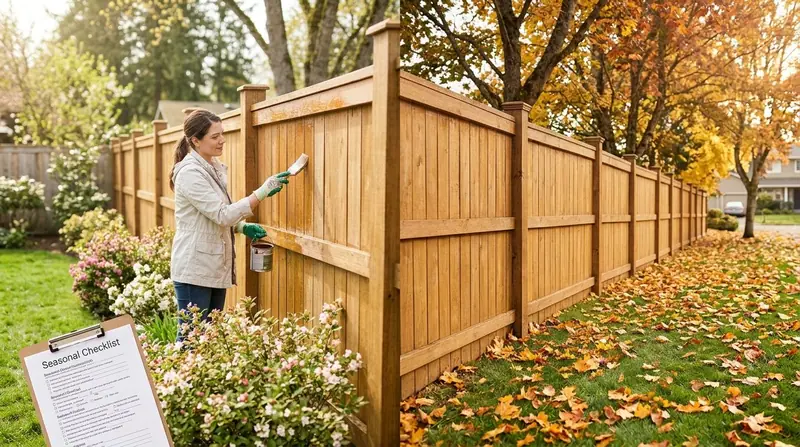
Wood fencing may benefit from periodic staining or sealing, depending on its condition and the product previously applied.
Before applying a protective finish:
- Clean the surface properly.
- Allow the wood to dry as recommended by the product manufacturer.
- Check for damaged or rotting boards.
- Choose a suitable exterior stain or sealant.
Always follow the product's temperature and weather requirements. Applying a finish when conditions are too cold or damp may affect how well it cures.
4. Check Gate Alignment and Latches
Temperature changes and ground movement can affect gate alignment.
Open and close each gate to make sure it operates smoothly. Check for loose hinges, rusted hardware, and latches that no longer line up properly.
Addressing these issues before winter can help prevent additional inconvenience.
5. Remove Nearby Objects That Could Damage the Fence
Move outdoor furniture, planters, tools, and other objects away from fence panels where practical.
Objects that shift during strong winds or become trapped against the fence by snow can scratch surfaces or place unwanted pressure on the structure.
Different Fence Materials Need Different Maintenance
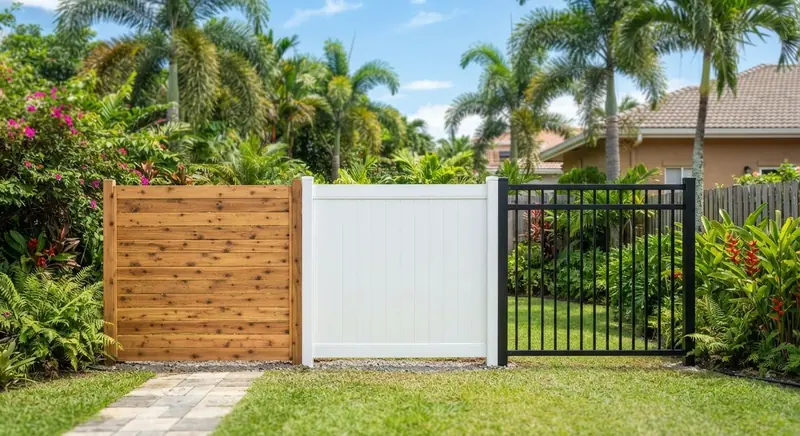
Not every fence requires the same care. The best maintenance routine depends on the material and its exposure to the elements.
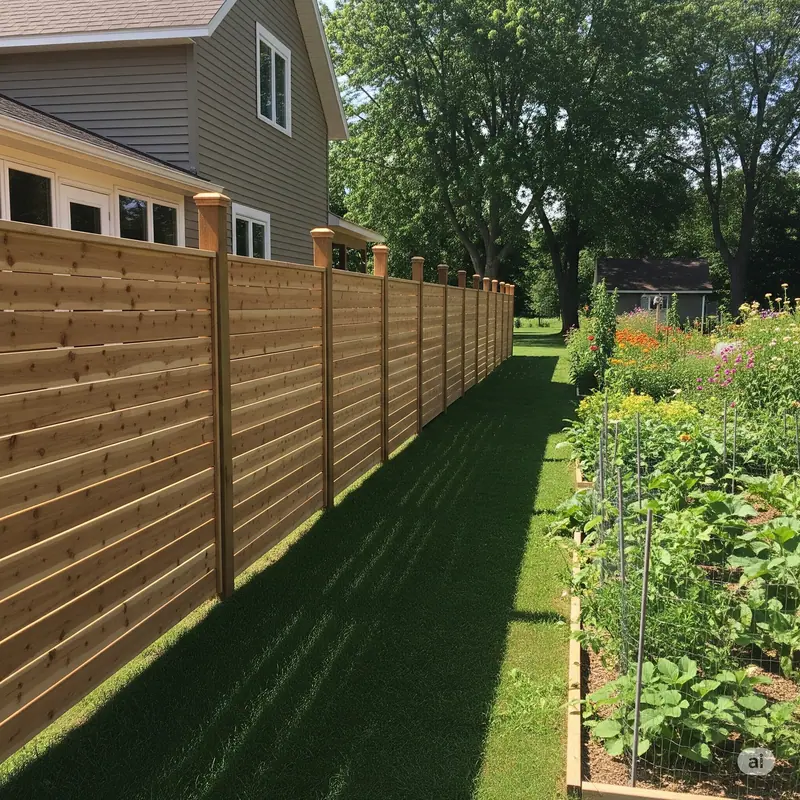
Wood Fences: Inspect for rot, splitting, loose boards, and worn finishes. Cleaning and periodic staining or sealing can help protect the wood.
Vinyl Fences: Wash away dirt and buildup with suitable cleaning products. Check for cracks, loose panels, and damaged connectors.
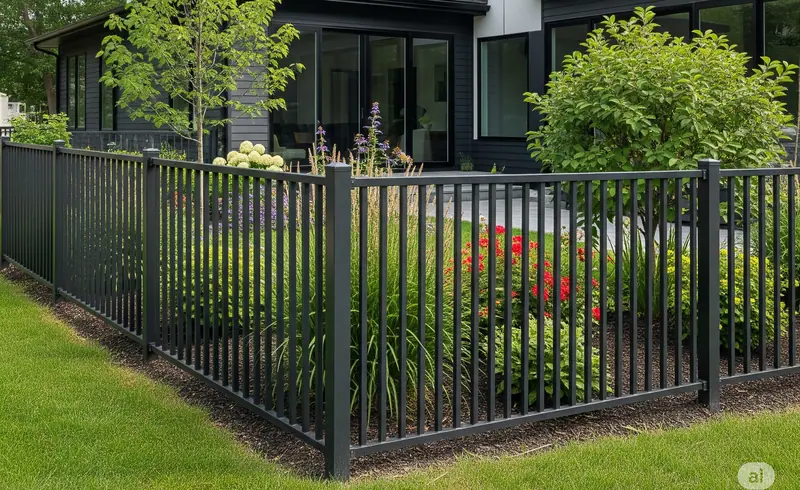
Aluminum Fences: Inspect for bent sections, loose fasteners, scratches, and signs of corrosion. Keep the surface clean and address damaged finishes when needed.
Chain-Link Fences: Check for loose connections, damaged mesh, bent posts, and problems with tension. Inspect gates and hardware as well.
When Should You Consider Professional Fence Repairs?
Routine maintenance can help identify problems, but some damage requires more than basic cleaning or tightening hardware.
Consider professional assistance if you notice:
- Multiple leaning or unstable posts
- Large cracks or broken fence sections
- Significant wood rot
- Loose or damaged gate structures
- Fence panels that have separated from their supports
- Widespread damage after severe weather
A professional assessment can help determine whether a repair is practical or whether replacing part of the fence would be a better long-term option.
Keep Your Fence Ready for Every Season
Seasonal fence maintenance does not have to be complicated. A spring inspection helps you identify winter damage, while a fall check gives you time to prepare your fence for colder weather.
By cleaning your fence, checking posts and hardware, removing vegetation, and addressing minor issues early, you can help maintain its appearance and functionality for years to come.
If your fence needs repairs, replacement, or an upgrade, Franklin Fence can help you explore the right solution for your property. Whether you are considering a new wood, vinyl, aluminum, or chain-link fence, the team can help with your fencing needs and create an option that suits your outdoor space.
Ready to improve or maintain your property's fencing? Contact Franklin Fence today to discuss your project and find the right fencing solution for your home.