Fence Installation Timeline: What Homeowners Should Expect in Franklin, WI
Installing a new fence can make a big difference in how you use and enjoy your Franklin property. Whether you want more privacy, a secure area for pets, better separation between your yard and neighboring properties, or simply a more finished appearance, a fence installation involves more than choosing a style and putting posts in the ground.
Understanding the typical steps can make the project easier to plan. From deciding what you need to checking property requirements to preparing the yard and completing the installation, knowing what to expect can help you avoid surprises and make better decisions about your fence.
Start With Your Fence Goals
Before choosing a material or design, think about what you want the fence to accomplish.
A homeowner looking for backyard privacy may need a very different fence from someone who simply wants to define a property boundary. If you have pets, you may be more concerned about spacing and gate security. If appearance is the priority, the fence may need to complement your home's architecture and landscaping.
Consider questions such as:
- Do you primarily need privacy, security, or property definition?
- Will children or pets use the enclosed area?
- How much access do you need through the fence?
- Do you need one gate or several?
- How much maintenance are you comfortable handling?
- Should the fence blend into the existing landscaping?
Answering these questions first makes it easier to narrow down your options.
Choose the Right Fence Material
Once you know what you want from the fence, you can compare materials.
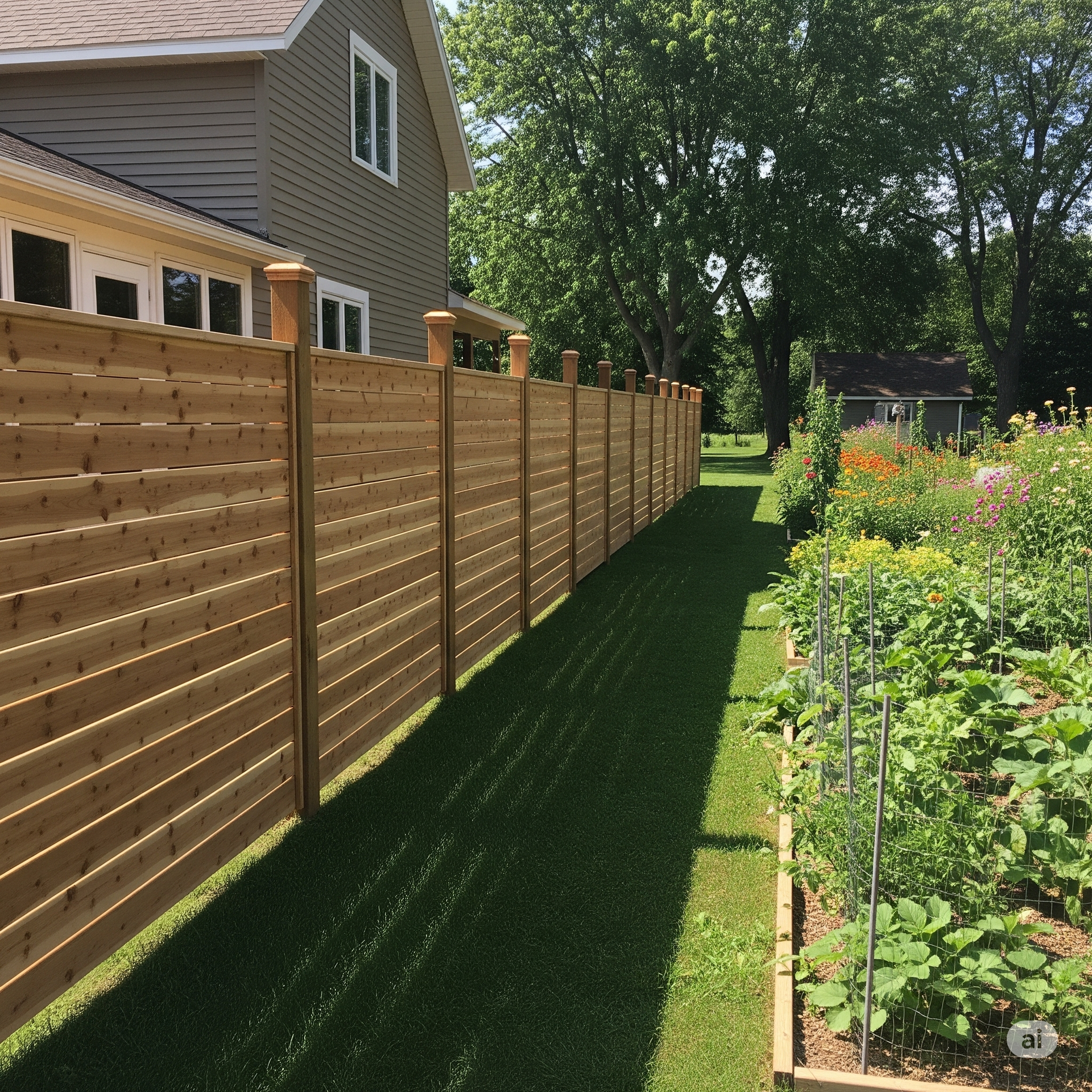
Wood fencing offers a traditional appearance and can work well for privacy and customized designs. It does require ongoing maintenance to keep it looking and performing well.
Vinyl fencing provides a clean appearance with relatively low routine maintenance and is available in several styles.
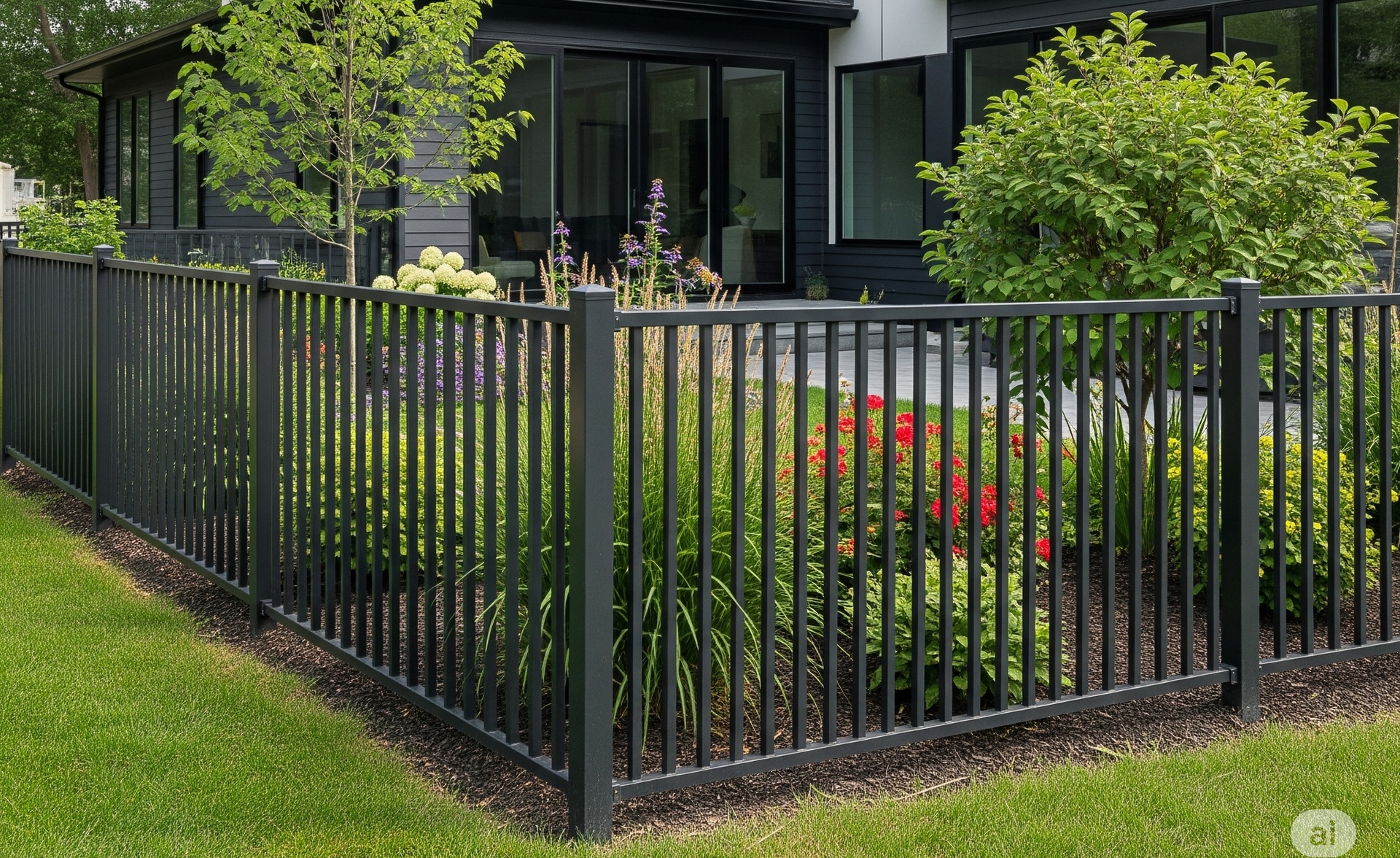
Aluminum fencing can provide an open, decorative appearance while offering durability and relatively little maintenance.
The right choice depends on your property's layout, desired appearance, privacy requirements, budget, and willingness to maintain the fence over time.
Check Your Property and Fence Location
Fence placement is one of the most important parts of the planning process. Before installation begins, the proposed fence location should be considered in relation to property lines, existing structures, landscaping, driveways, utilities, and neighboring properties.
This is especially important if the fence will be close to a property line. Taking time to establish the correct location before installation can help prevent costly changes later.
Franklin's regulations also contain specific requirements for where residential fences may be installed. For example, fences up to six feet high may generally be used along interior lot lines within required side and rear yards in residential districts, while front-yard fencing is subject to additional restrictions.
Take Care of Permits Before Installation
Permits are an important part of planning a fence in Franklin. The City of Franklin states that building permits are required for fences, with snow fencing being an exception during the permitted seasonal period. The city also provides a current 2026 fence handout and requires an owner's acknowledgment related to We Energies utility easements with fence applications.
The city also notes that homeowners are ultimately responsible for making sure required permits are obtained, even when a contractor handles the application process.
Because requirements can vary depending on the property and fence location, checking the applicable rules before construction is an important step.
Prepare the Installation Area
Once the design and location are established, the property may need to be prepared for installation.
This can include clearing brush, moving obstacles, identifying underground utilities, and making sure the fence line is accessible. Franklin's fencing regulations require applicants to call Diggers Hotline or a similar service to obtain information about underground utilities on the property.
Existing landscaping can also affect the installation. Trees, shrubs, garden beds, sheds, retaining walls, and other structures may need to be considered when determining the fence route.
Good preparation helps the installation crew work more efficiently and reduces the chance of unexpected complications.
Installing the Fence Posts
The posts provide the foundation for the fence. Their placement and stability affect how straight, secure, and durable the finished fence will be.
Posts need to be positioned according to the fence design and adjusted to the property's grade. A properly planned installation should account for changes in elevation rather than forcing the fence to follow an unsuitable line.
Franklin's regulations require fences to be maintained straight, plumb, and at an even height along their length, except where deviations are required by grade.
Installing Panels, Boards, or Rails
After the posts are established, the remaining fence components can be installed.
Depending on the design, this may involve attaching:
- Wood boards or pickets
- Vinyl panels
- Aluminum sections
- Rails and posts
- Decorative elements
- Privacy sections
- Gate frames and hardware
The installation method will depend on the selected material and design. The goal is to create a fence that looks consistent while providing the function it was designed for.
Pay Attention to the Gate
A fence isn't complete without considering how people, pets, vehicles, or equipment will move through it.
Think about where the gate should be located and how wide it needs to be. A narrow pedestrian gate may be appropriate for everyday backyard access, while a wider gate may be necessary for lawn equipment or other larger items.
Gate placement should also work with driveways, walkways, landscaping, and the way you normally use the property.
Complete the Final Check
Once the fence is installed, the project should be checked from both a functional and visual standpoint.
Look for:
- Straight and properly aligned sections
- Stable posts
- Properly operating gates
- Secure latches and hardware
- Consistent spacing
- Clean transitions around landscaping
- A finished appearance from both sides
Franklin's regulations also require the finished or decorative side of fencing to face the adjacent or abutting property or street.
A final review helps make sure the completed fence not only looks good but also works properly for the property.
How Long Does Fence Installation Take?
There isn't one installation timeline that applies to every project. A small, straightforward fence on an accessible property may move much faster than a larger project involving difficult terrain, extensive landscaping, multiple gates, or other site considerations.
Weather, material availability, permitting, property preparation, and the size and complexity of the fence can also affect scheduling.
Rather than focusing on a fixed number of days, it's better to think of the project in stages: planning, permitting, preparation, installation, and final inspection.
Plan Your Franklin Fence Project With the Whole Property in Mind
A successful fence installation isn't just about the fence itself. The best result comes from considering how the fence fits into the entire property.
Think about privacy, access, landscaping, maintenance, appearance, property lines, and local requirements before construction begins. Taking care of these details early can make the installation process smoother and help you end up with a fence that works for your property for years to come.
Ready to Plan Your Franklin Fence?
If you're considering a new fence for your Franklin, WI property, Franklin Fence can help you work through the important details before installation begins.
Whether you're interested in privacy fencing, wood fencing, vinyl fencing, aluminum fencing, decorative fencing, fence gates, repairs, replacements, or a custom fence solution, the project should start with a clear understanding of your property's layout and your goals.
Ready to improve your Franklin property? Contact Franklin Fence today to discuss your project and request a local estimate. A properly planned fence can give you the privacy, security, access, and finished appearance you're looking for while helping you navigate the requirements that apply to your property.