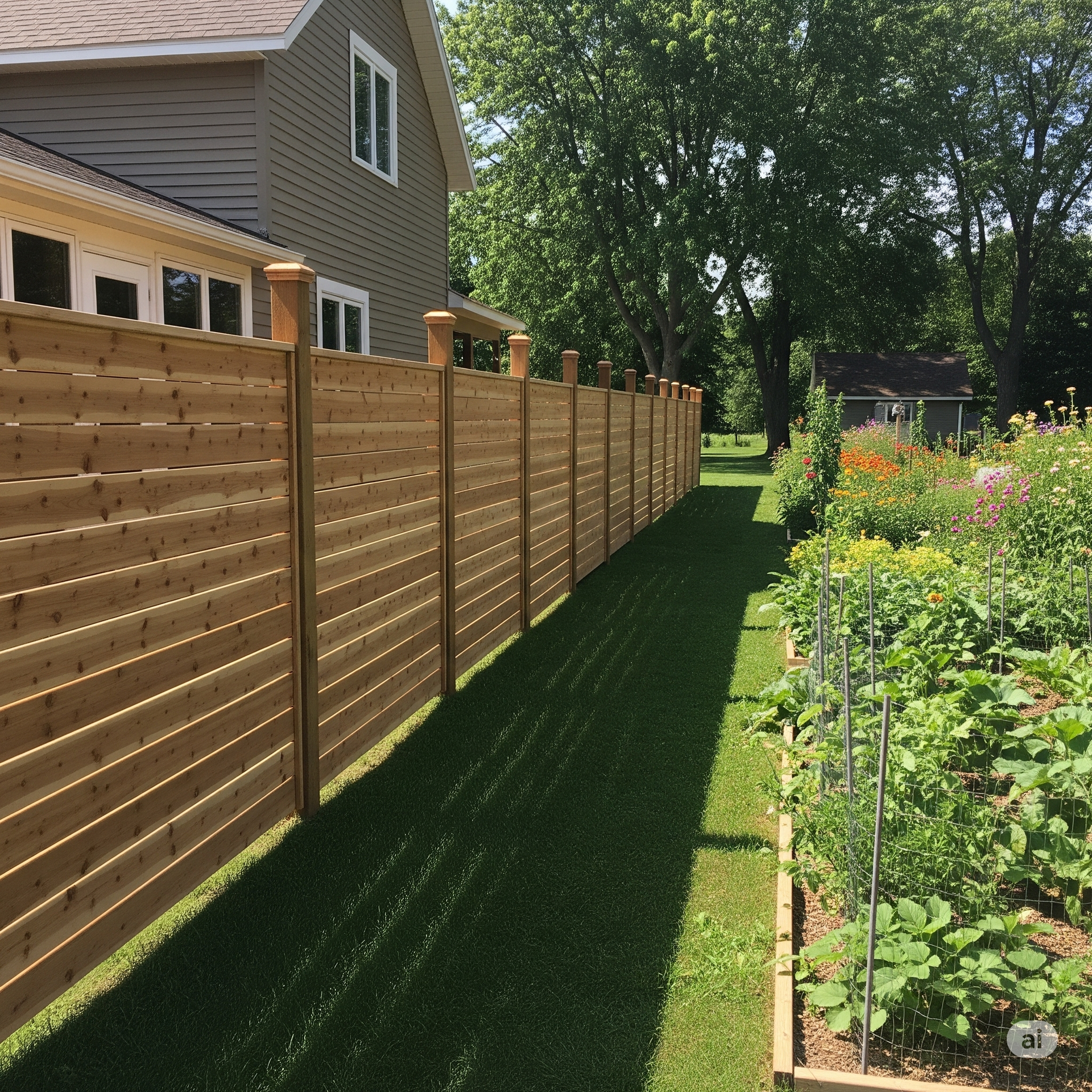
How to Choose the Right Fence for Your Franklin Garden
Discover garden fencing ideas for Franklin, WI, homeowners who want to protect plants, organize outdoor spaces, and create an attractive landscape.
A backyard garden can provide fresh vegetables, colorful flowers, attractive landscaping, and a relaxing place to spend time outdoors. However, keeping a garden organized and protected can be challenging when pets, wildlife, foot traffic, or everyday yard activities interfere with growing plants. The right fence can help establish clear boundaries, protect vulnerable areas, and make your outdoor space easier to maintain.
For homeowners in Franklin, Wisconsin, garden fencing should be selected according to the type of garden, the level of protection needed, and the overall layout of the property. A fence designed for a vegetable garden may serve a different purpose from one surrounding flower beds or defining a landscaped area. Understanding these differences can help you choose a practical design that works with your yard.
Determine What Your Garden Fence Needs to Do
Before selecting materials or measuring the garden, identify the main purpose of the fence. A clear goal will help you avoid choosing a design that looks attractive but does not solve the problem you are trying to address.
If you grow vegetables, you may want to keep pets away from seedlings, prevent people from accidentally walking through planting beds, or discourage certain animals from entering the garden. A flower garden may need a more decorative boundary that protects delicate plants while keeping the landscaping visible.
Some homeowners simply want to separate a garden from the lawn. In that case, a low, open fence may be sufficient to define the space without making the yard feel divided.
Consider the size of the garden, the plants you grow, and the activity around it. If the garden is located near a patio or frequently used walkway, the fence should allow convenient access for watering, harvesting, pruning, and other routine tasks.
Knowing the primary purpose of the fence makes it easier to compare suitable heights, materials, and layouts.
Choose a Fence Height That Matches Your Needs
Garden fence height should reflect what you are trying to protect. A short decorative fence can establish a visible boundary around flower beds, but it may do little to keep pets out or deter animals that can easily jump over it.
For vegetable gardens, consider the types of animals that commonly visit your property. Rabbits, for example, may enter through relatively small openings, while larger animals may require a taller and more substantial barrier. The appropriate design depends on the specific animals you need to discourage.
If your main concern is keeping a dog away from planting beds, consider the dog's size, behavior, and ability to jump or push against the fence. The fence should be sturdy enough for the intended purpose, with openings that do not allow pets to squeeze through.
Avoid assuming that a taller fence will automatically solve every problem. Gaps at the bottom, weak connections, or poorly secured gates can undermine an otherwise suitable design.
Before choosing a final height, check Franklin's local fence requirements. Residential fence heights and permitted locations vary by yard area, so the design should be planned around both your garden needs and the applicable rules.
Compare Materials for Garden Fencing
Different fence materials offer different combinations of appearance, maintenance, durability, and protection. Consider how each option will work alongside your plants and the rest of your outdoor space.
Wood Fencing
Wood fencing can create a natural appearance that complements vegetable gardens, flower beds, and traditional landscaping. It can be built in different heights and styles, from open pickets to solid panels.
Open wood designs can establish a boundary while allowing views through the fence. More solid designs provide greater visual separation but may make a small garden feel enclosed.
Wood requires periodic inspection and maintenance. Moisture, weathering, and contact with soil or vegetation can affect its condition, so keep the lower sections accessible for inspection and avoid allowing plants to remain pressed against the boards.
Metal Fencing
Metal fencing can be a practical choice for gardeners who want a defined boundary without blocking the view of their plants. Open designs allow sunlight to reach the garden and make it easier to monitor plant growth from other parts of the yard.
Depending on the design, metal fencing can also create a neat border around raised beds or ornamental gardens. Check the spacing between components to ensure it suits your intended use, particularly if you are trying to keep small pets out.
Inspect the finish and connections periodically, especially after severe weather or accidental impacts from lawn equipment.
Vinyl Fencing
Vinyl fencing offers a consistent appearance and is available in several styles, including picket and privacy designs. It can be useful when you want a low-maintenance boundary that coordinates with the home's exterior.
However, a solid vinyl fence may provide more enclosure than a garden needs. Consider whether an open design would be more appropriate for maintaining views and keeping the space visually connected to the rest of the yard.
Regardless of the material, choose a fence designed for outdoor installation and make sure the supporting posts and hardware are suitable for its dimensions and intended use.
Protect Plants Without Blocking Too Much Sunlight
Sunlight is essential for many garden plants, so the fence's position and design deserve careful attention. A solid or tall fence can cast shadows on nearby planting beds, depending on its orientation and the time of day.
Before installation, observe how sunlight moves across the garden. Identify which areas receive the most direct light and determine whether the proposed fence could affect plants that depend on those conditions.
An open fence may be preferable around vegetable gardens or sun-loving flowers when maintaining light exposure is a priority. If you need more protection along one side, you may be able to concentrate the more substantial barrier there rather than enclosing the entire garden with solid panels.
Also consider how the fence will affect airflow. Open designs generally allow more air to pass through than solid barriers, which may be beneficial in some garden layouts.
The right choice depends on the plants you grow, the amount of sunlight available, and the level of protection you need. Planning these details beforehand can help prevent a fence from unintentionally changing the growing conditions of your garden.
Make Garden Access Easy and Convenient
A garden fence should protect your plants without making gardening more difficult. Gates and access points are especially important if you regularly carry watering cans, move soil, bring in compost, or use gardening tools.
Choose a gate opening that suits the equipment you expect to move through it. A narrow opening may work for a small flower bed, but a vegetable garden with raised beds and larger maintenance needs may benefit from wider access.
Think about where the gate will be positioned. Placing it near a frequently used walkway can make daily gardening easier, while an entrance that opens directly into a planting bed may create unnecessary inconvenience.
The gate should also open smoothly without hitting nearby plants, garden structures, or outdoor furniture. Leave enough room to work around the entrance and keep the path clear of weeds, branches, and other obstructions.
If the fence is intended to contain pets, pay particular attention to the latch and the gap beneath the gate. A secure entrance is essential when the barrier needs to remain closed.
Plan the Fence Around Raised Beds and Garden Paths
Many homeowners use raised beds, narrow walkways, compost bins, and storage areas to organize their gardens. A fence should work with these features rather than make the layout harder to navigate.
Measure the available space before installation. Make sure you can reach the planting beds from both sides when necessary and leave enough room to move tools, hoses, and other supplies.
If your garden contains multiple raised beds, consider whether a single outer fence can protect the entire area. This may be more convenient than installing separate barriers around each bed.
For a decorative flower garden, a low boundary may be enough to distinguish the planting area from the lawn. For a larger vegetable garden, a more substantial enclosure may be appropriate if you need to control access or protect plants from animals.
Think about future changes as well. If you expect to add more beds or expand the garden, avoid a layout that leaves no room for adjustments. A little flexibility can help the fence remain useful as your gardening plans evolve.
Consider Franklin's Weather and Seasonal Maintenance
Franklin's changing seasons can affect garden fences throughout the year. Rain, snow, freezing temperatures, and shifts in soil moisture can contribute to wear, movement, and maintenance needs.
Before installing the fence, consider how water drains through the garden. Avoid blocking existing drainage paths or creating areas where water collects around posts. If the garden sits on a slope, the fence layout should account for changes in ground level.
Wood fences should be checked for loose boards, weathering, and moisture-related deterioration. Metal fencing needs inspection for loose connections and damaged protective finishes. Vinyl panels should be checked for cracks, movement, and damage.
Garden growth also affects maintenance. Keep vines and heavy vegetation from pulling on fence components unless the structure is specifically designed to support them. Trim plants where necessary to preserve access to posts and hardware.
In fall, remove accumulated leaves and debris from the fence line. After winter, inspect the posts and panels for movement or damage before the growing season becomes busy.
Regular maintenance can help keep the garden enclosure functional and attractive while reducing the chance that a minor problem will become a larger repair.
Check Franklin's Fence Rules Before Installing
Before purchasing materials, review the City of Franklin's current fence requirements. The city requires building permits for fences, except for seasonal snow fencing permitted between November 15 and April 15.
Franklin's fence guidance also addresses maximum heights, permitted locations, materials, property-line placement, and utility easements. For example, residential front-yard and street-side fences have different height and visibility requirements from fences in interior side and rear yards.
The permit application requires a survey showing the proposed fence location and existing structures, along with dimensions and other project details. The city also requires an acknowledgment form concerning We Energies utility easements with fence applications.
Review the City of Franklin's official fence requirements and contact Inspection Services if you need clarification about your property.
Before digging post holes, arrange for underground utilities to be marked through Diggers Hotline. This step helps reduce the risk of damaging buried lines during construction.
Confirming the requirements early can help you plan a garden fence that fits your property and avoids preventable delays.
Create a Garden That Is Protected and Easy to Enjoy
A well-planned garden fence can do more than mark a boundary. It can help protect plants, organize outdoor activities, improve access, and complement the surrounding landscape.
Start by identifying what you need the fence to accomplish, then compare suitable materials, heights, and designs. Consider sunlight, drainage, gate placement, and seasonal maintenance before deciding where the fence should go.
For homeowners in Franklin, WI, Franklin Fence can help explore fencing options suited to your garden, yard layout, and preferred appearance. With careful planning, you can create a garden boundary that supports your gardening goals while keeping your outdoor space attractive and functional.